Unmanned, distributed operations
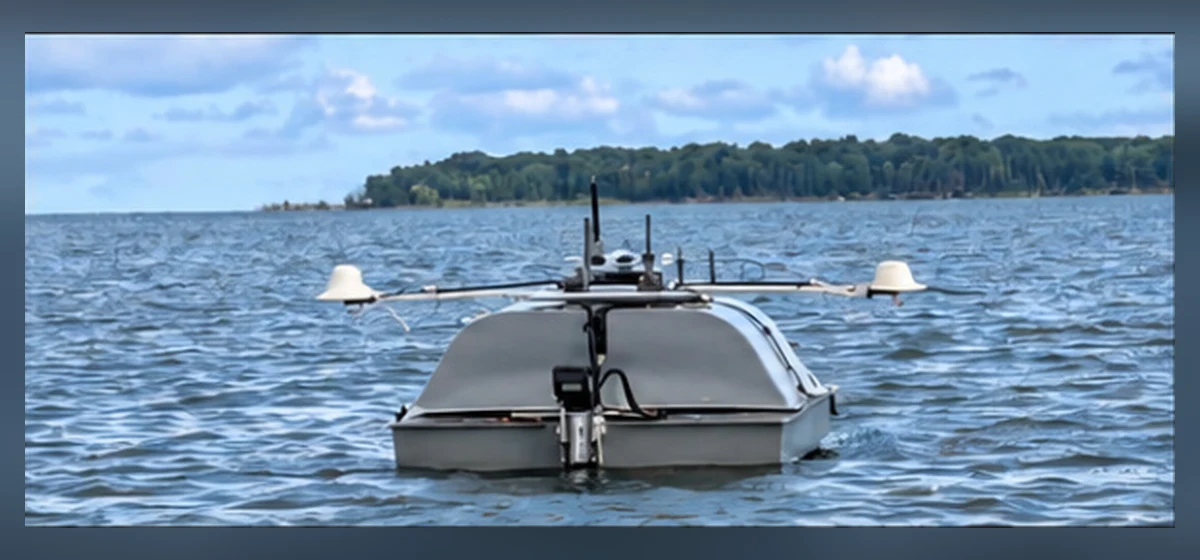
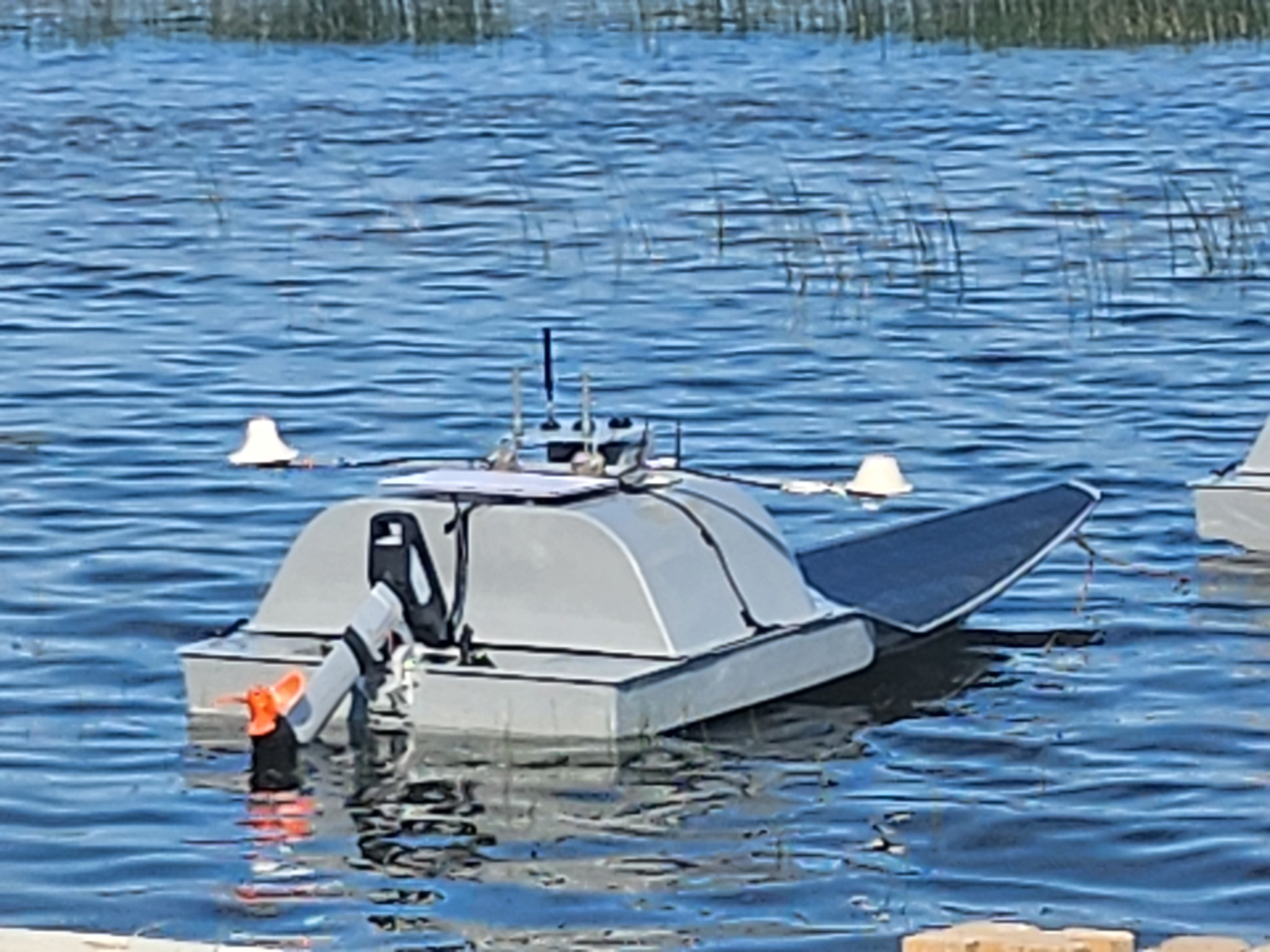
At Silent Swarm 2024 on Lake Huron, Drone Rupture operated aboard an unmanned surface vessel controlled remotely over an authorized cellular backhaul. The maritime demonstration tested whether the cellular protection layer could operate at standoff while the vessel retained the connectivity required for its own mission.
Drone Rupture applied managed-access policy to the surrounding cellular environment without broadband jamming or payload inspection. The demonstration showed that a mobile unmanned platform could host a selective cellular security capability while maintaining its trusted communications.
The original event account describes a workflow in which Drone Rupture detected cellular-connected devices, characterized them against approved and unvetted policy categories, and provided findings to command-and-control operators in near real time. Selective mitigation was available as a mission-defined policy action.
The key operational distinction was the separation of authorized USV backhaul from other cellular devices in the area of interest. The system could preserve trusted communications while extending managed-access awareness and protection beyond a fixed installation.
Silent Swarm demonstrated maritime mobility, remote operations, and cellular-domain reporting in a larger operational setting. It supports Drone Rupture's wider system-of-systems story, but it should not be confused with FoCUS's operator-authorized containment sequence or Flytrap's direct government SAPIENT C2 interface.
The demonstration reinforces the same field-developed architecture described in the xTech submission: autonomous deployment, standards-based selective control, and integration with existing mission systems.
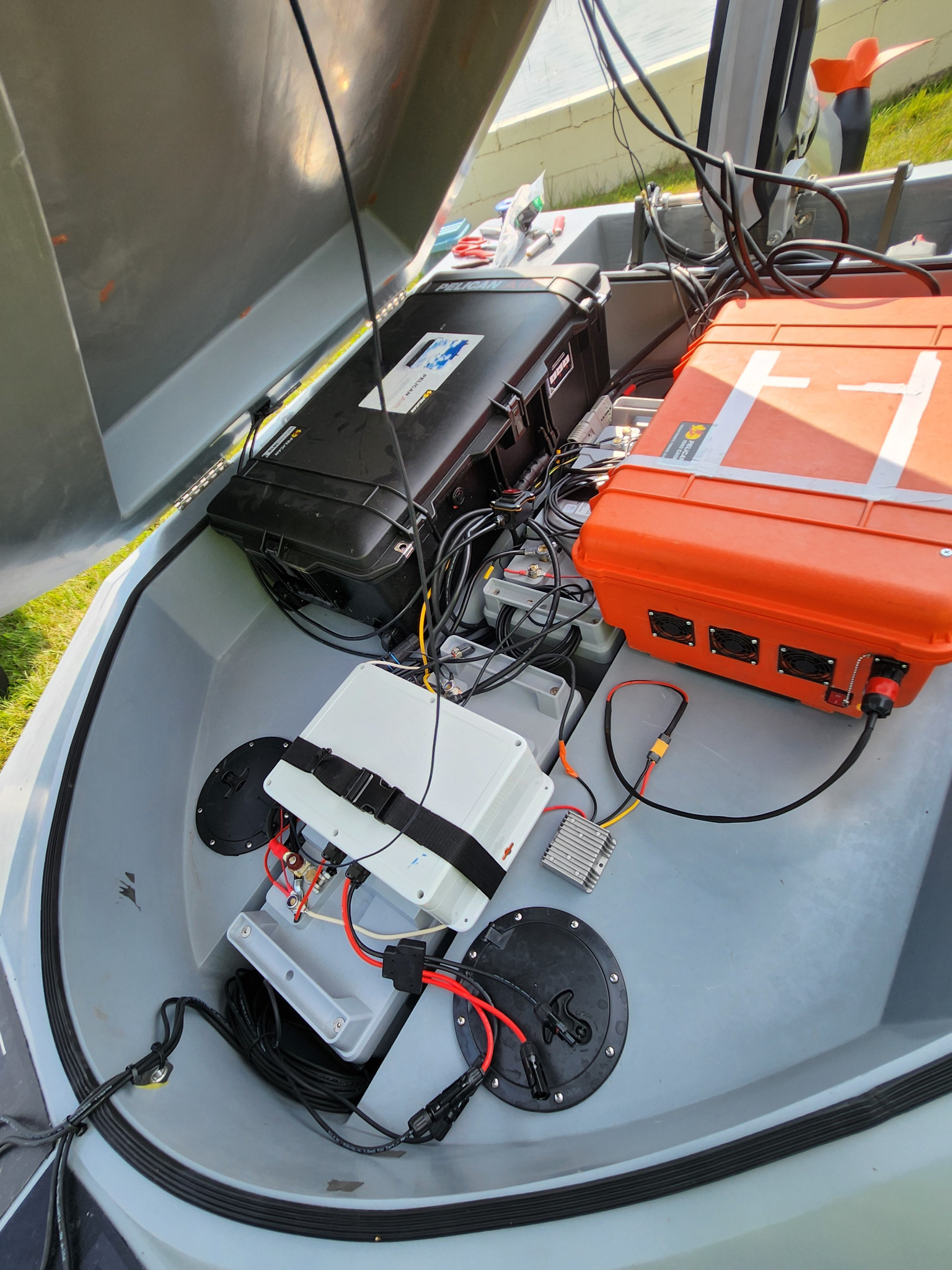
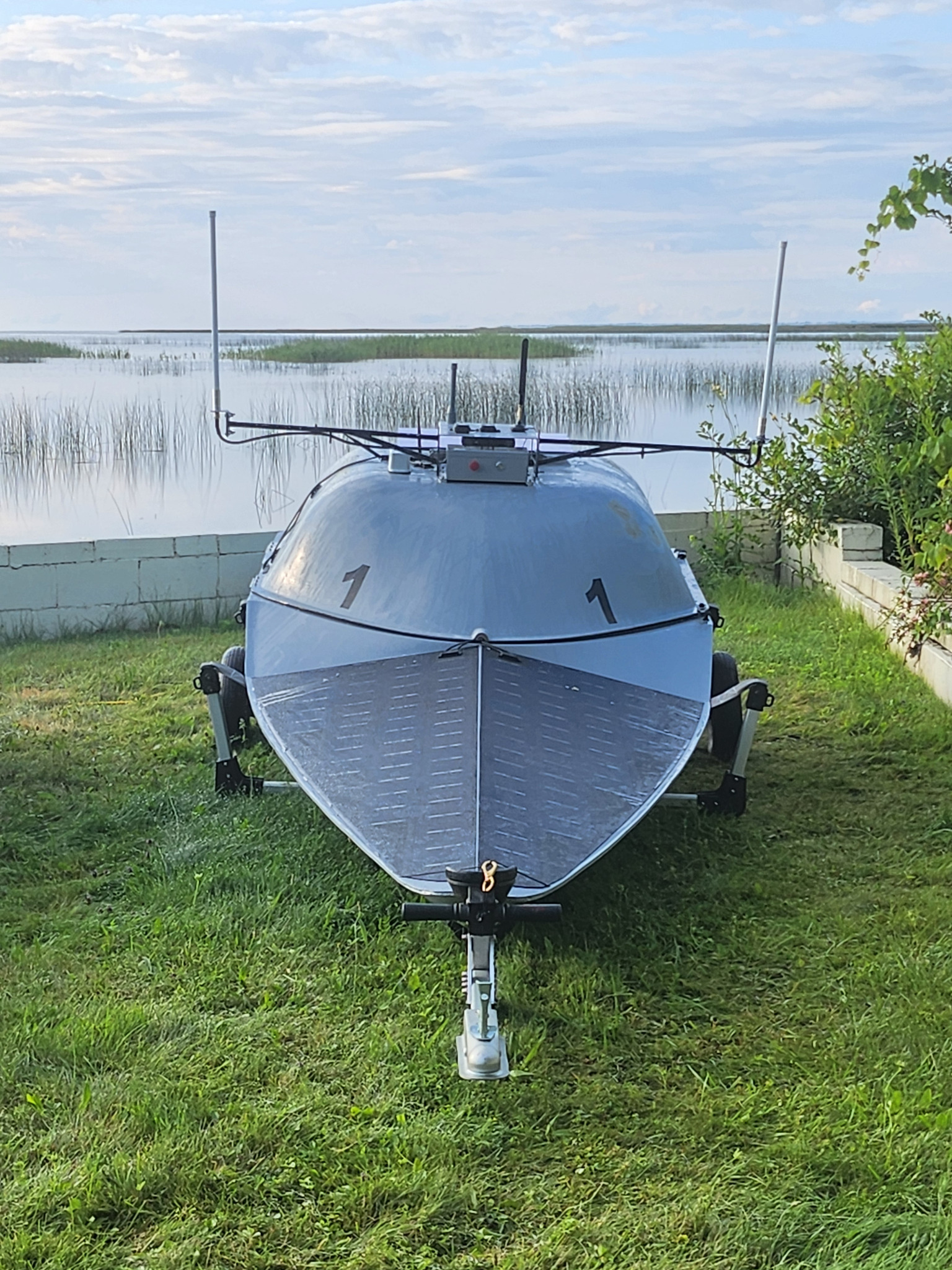
These field photographs show the equipment integrated aboard the unmanned surface vessel, the vessel afloat, and its antenna configuration. The installation illustrates how Drone Rupture operated as a cellular protection layer alongside other onboard mission equipment.