
AUTONOMOUS
DISCOVERY
Survey 2G–5G networks and adapt automatically to local cellular conditions.
Autonomous. Low-Signature. Intelligence-Driven.
Discover the network. Identify the threat. Locate the device. Control the connection. Drone Rupture surveys local cellular networks, identifies and ranges devices, and applies selective, standards-based control—without broadband jamming.
No cellular expertise required. Deploy. Power on. Assign the mission.
Survey 2G–5G networks and adapt automatically to local cellular conditions.
Environment-matched cellular operation designed for discretion and persistence.
Identify devices, estimate distance, track activity and support multi-node geolocation.
Enforce mission-defined policies without broadband jamming while preserving authorized communications.
Drone Rupture has advanced through competitively selected government programs, funded development efforts, and field operations spanning fixed sites, expeditionary forces, autonomous maritime platforms, and multinational defense environments. Explore the operational record behind its cellular intelligence, selective managed access, and system-of-systems integration.
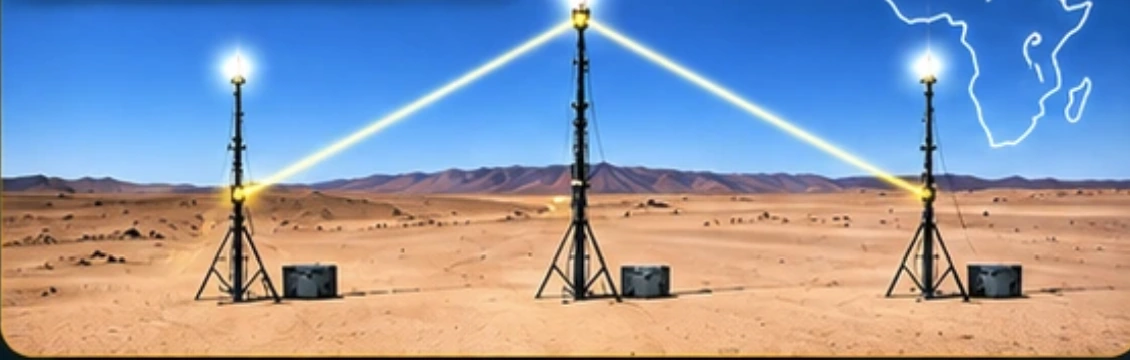 AFRICAN LION 2022
Independently autonomous Drone Rupture nodes coordinated through a common orchestration layer, delivering distributed, layered cellular protection in an OCONUS environment.
Explore field experience →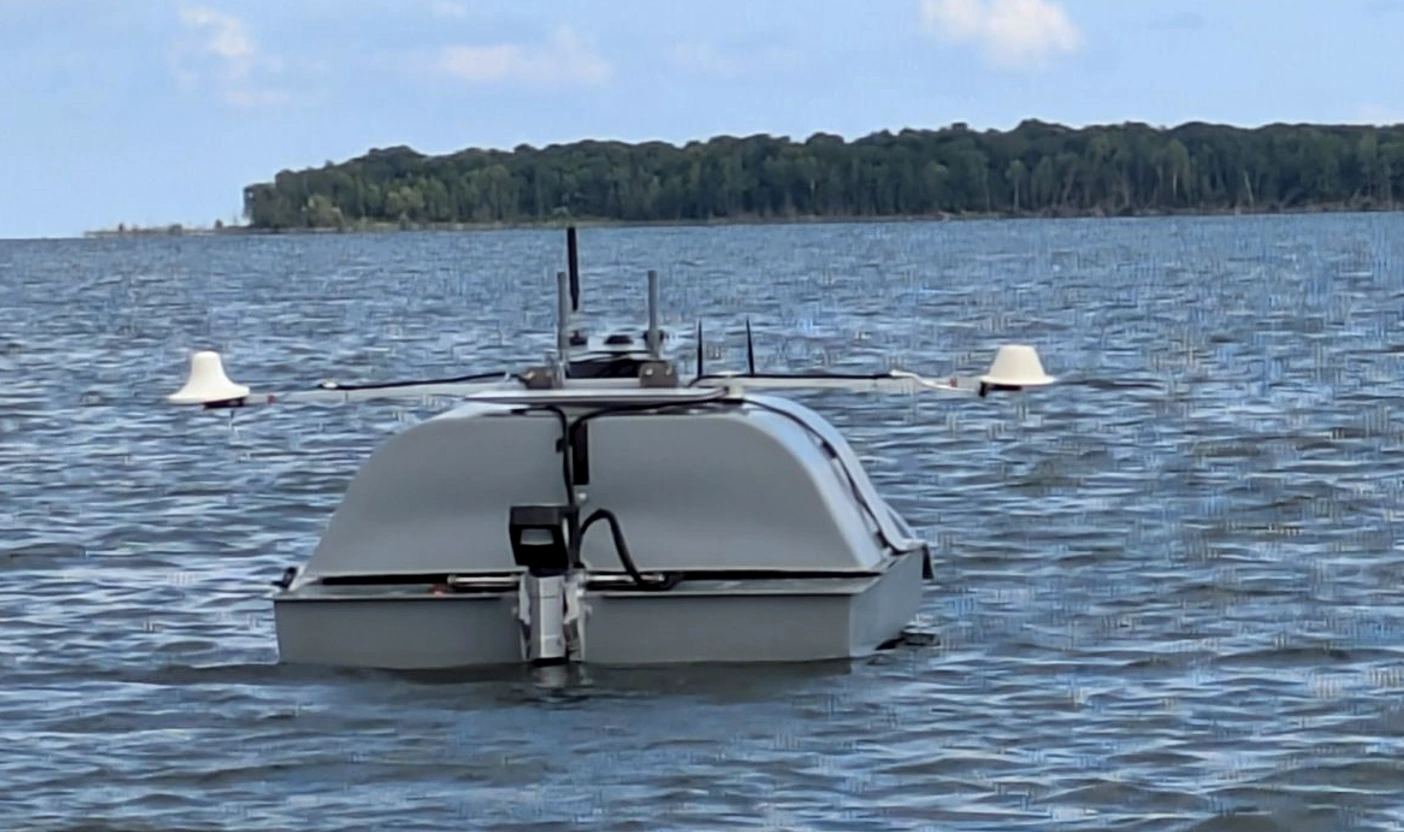 AUTONOMOUS OPERATIONS
Drone Rupture autonomously surveys and configures to its cellular environment with minimal operator intervention. Maritime integration demonstrated during Silent Swarm.
Explore field experience →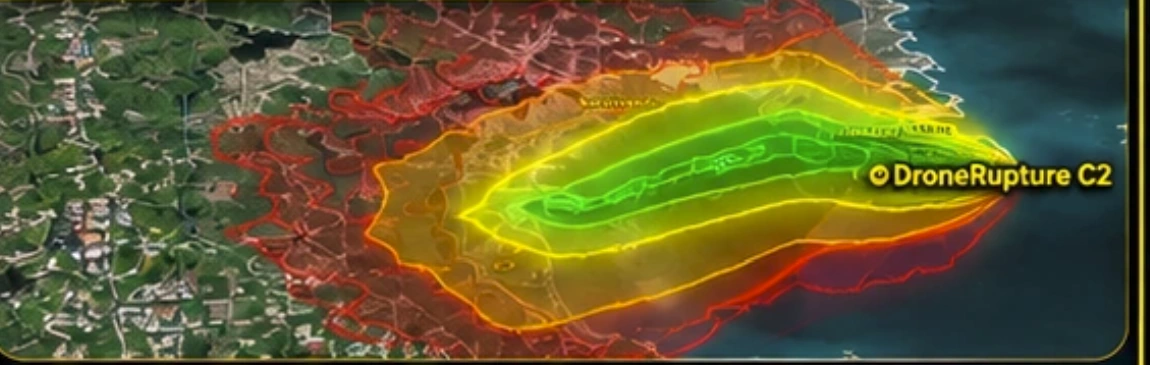 NETWORK RANGE & COVERAGE
Demonstrated LTE network control and coverage throughout mission execution.
Explore field experience → EASTERN FLANK — OPERATION FLYTRAP
Selected among the top 10 C-UAS companies from more than 400 applicants. Drone Rupture integrated with NATO SAPIENT C2 in the Baltics, supporting cellular-domain operations.
Explore field experience →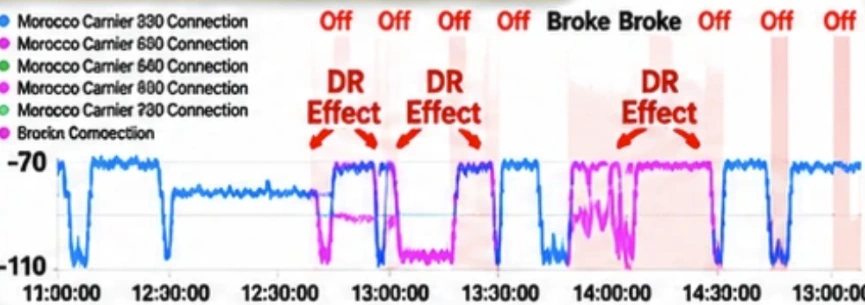 CELLULAR CONTROL RESULTS
Demonstrated selective denial of unauthorized connections without broadband jamming, while returning permitted devices to incumbent networks for normal communications.
Explore field experience →
During Trident Spectre, BTC participated in operational cellular-domain experimentation. Its founder received challenge coins from 1st Special Forces Command (Airborne) and its CEMA community.
Explore field experience →Drone Rupture transforms autonomous cellular survey results into an RF Blueprint of the surrounding environment. This blueprint enables the system to automatically configure its managed-access infrastructure, establishing cellular protection without requiring an on-site cellular subject-matter expert.
Periscope autonomously surveys surrounding cellular networks to create an RF Blueprint of the local environment. That blueprint drives automatic configuration of Drone Rupture’s managed-access cellular infrastructure.
Drone Rupture's Magnet capability draws cellular-connected devices from incumbent networks into its controlled managed-access environment for characterization.
Managed Access identifies, classifies, and selectively allows, rejects, or mitigates devices according to mission-defined policies.
Drop-and-go operation adapts to changing network conditions with minimal operator intervention and no on-site cellular SME required.
DROP. POWER ON. PROTECT. Periscope creates the RF Blueprint, which Drone Rupture uses to automatically configure its managed-access cellular infrastructure. Magnet then transitions cellular-connected devices into that environment for characterization. Mission-defined policies determine which devices are allowed, rejected, or selectively mitigated—providing continuous cellular protection without broadband jamming.
Drone Rupture secures the cellular control plane beyond localized RF boundaries. Its purpose-built network discovery, device intelligence and selective managed access protect the cellular domain while preserving authorized communications.
Periscope, Magnet and Managed Access combine specialized network discovery, RF timing, mobility and policy enforcement—not simply off-the-shelf radios.
Decades of cellular expertise, Government-driven development and deployed-system experience create a substantial engineering foundation.
A modular, MOSA-aligned system-of-systems architecture integrates with C2 platforms and other sensors. MissionOS adds an implemented agentic AI and MCP interface.
Drone Rupture goes beyond passive RF monitoring. Using proprietary, standards-based cellular signaling, it pulls cellular-connected devices from incumbent networks into a controlled managed-access environment, where they are identified, classified, and selectively allowed, rejected, or mitigated according to mission-defined protection policies.
A dismounted team can deploy Drone Rupture into an unfamiliar cellular environment. Periscope creates an RF Blueprint of local networks to drive autonomous infrastructure configuration; managed access then provides a controlled environment for identifying, vetting, and mitigating unvetted cellular-connected devices.
This capability helps protect dismounted forces, forward operating positions, and critical facilities from unvetted cellular-connected threats—without broadband jamming or disrupting authorized communications.
Drone Rupture operates independently. MissionOS extends it with implemented AI-assisted monitoring, diagnostics, governed workflows and MCP interoperability.